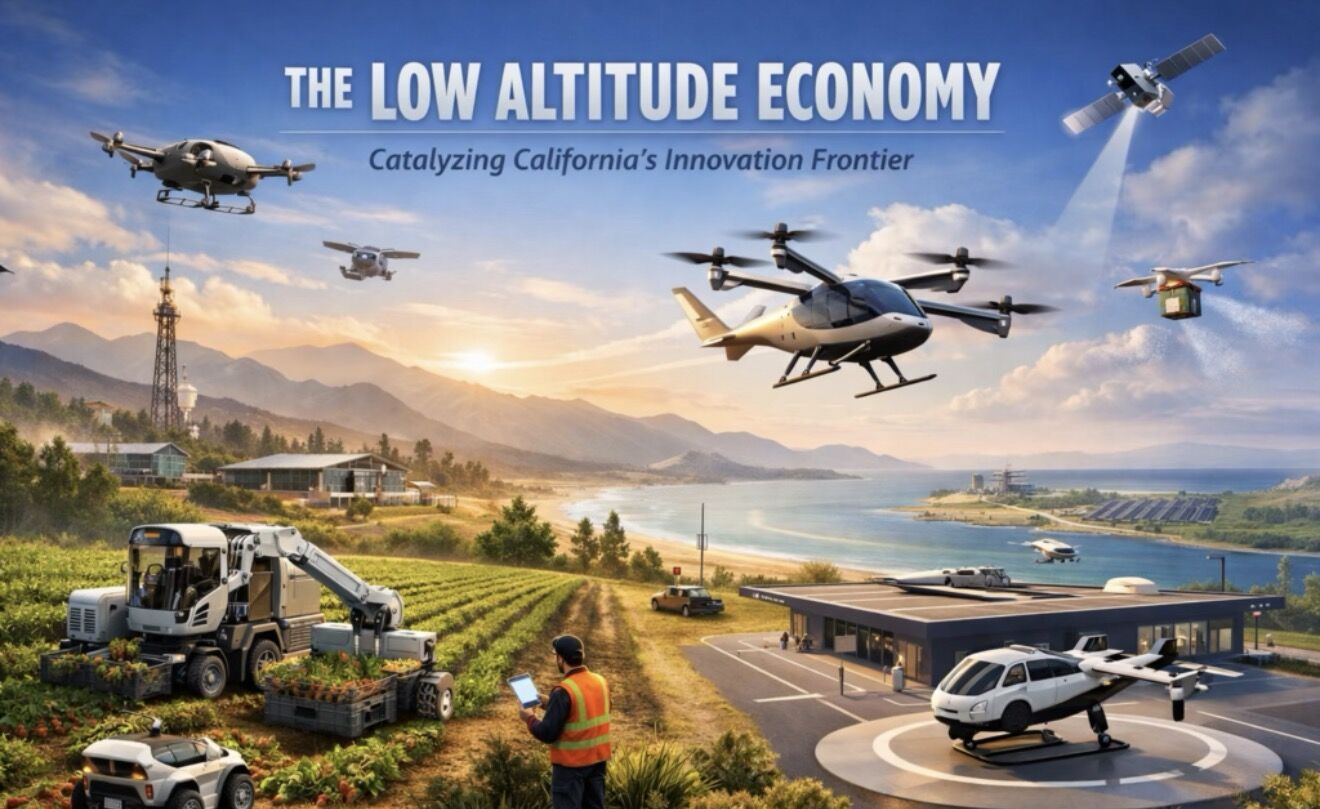
The Sky Circus
Exploring the Future of Low Altitude Economy & Innovation
The U.S. low-altitude economy (LAE) is a rapidly emerging sector focusing on airspace below 3,000 feet, driven by drones and electric vertical take-off and landing (eVTOL) aircraft for logistics, passenger transport, and agriculture. The market is rapidly growing, with some analysts forecasting it could become a trillion-dollar industry by 2040, transforming logistics, surveillance, and urban transit. The U.S. is focusing on developing, manufacturing, and deploying these autonomous and electric technologies, particularly in California and other tech hubs.
Key Aspects of the U.S. Low-Altitude Economy
· Definition: The LAE encompasses all commercial activities, technologies, and services occurring in the airspace below 1,000 meters (roughly 3,280 feet), with a focus on Advanced Air Mobility (AAM) and Uncrewed Aerial Systems (UAS).
· Key Drivers & Players: The industry is heavily powered by eVTOL technology, designed to be quieter, greener, and more cost-effective than helicopters. Key players include U.S.-based companies developing passenger and cargo solutions.
· Infrastructure & Regulation: The FAA is developing policies to manage low-altitude traffic and enable widespread, safe operations. This includes developing vertiports and charging infrastructure.
· Applications: Key applications include logistics and delivery, medical transport, infrastructure inspection, agriculture, and public safety.
· Growth Potential: The sector is expected to create thousands of jobs, including a growing demand for remote drone pilots.
· Concerns: Key challenges include security concerns over manufacturing capabilities, and the need for public acceptance regarding noise and privacy, as well as developing a robust, secure infrastructure for UTM (UAS Traffic Management).
Key Recent Developments
· Federal Action: The FAA is working on policies to accommodate wide-scale Advanced Air Mobility (AAM).
· Innovation Hotspots: California is a major player, with projects like the Monterey Bay regional drone ecosystem gaining significant funding to create a compliant multi-airport flight corridor network.
· Market Forecasts: While some reports estimate a more modest $23 billion market by 2035, other analyses suggest the UAM market could reach $1 trillion by 2040 and $9 trillion by 2050.
Industry

The low altitude economy is rapidly emerging as a new frontier in global transportation and infrastructure.
Advancements in drone technology, urban air mobility, and autonomous aviation are transforming how people and goods move through cities and regions.
Technology
-
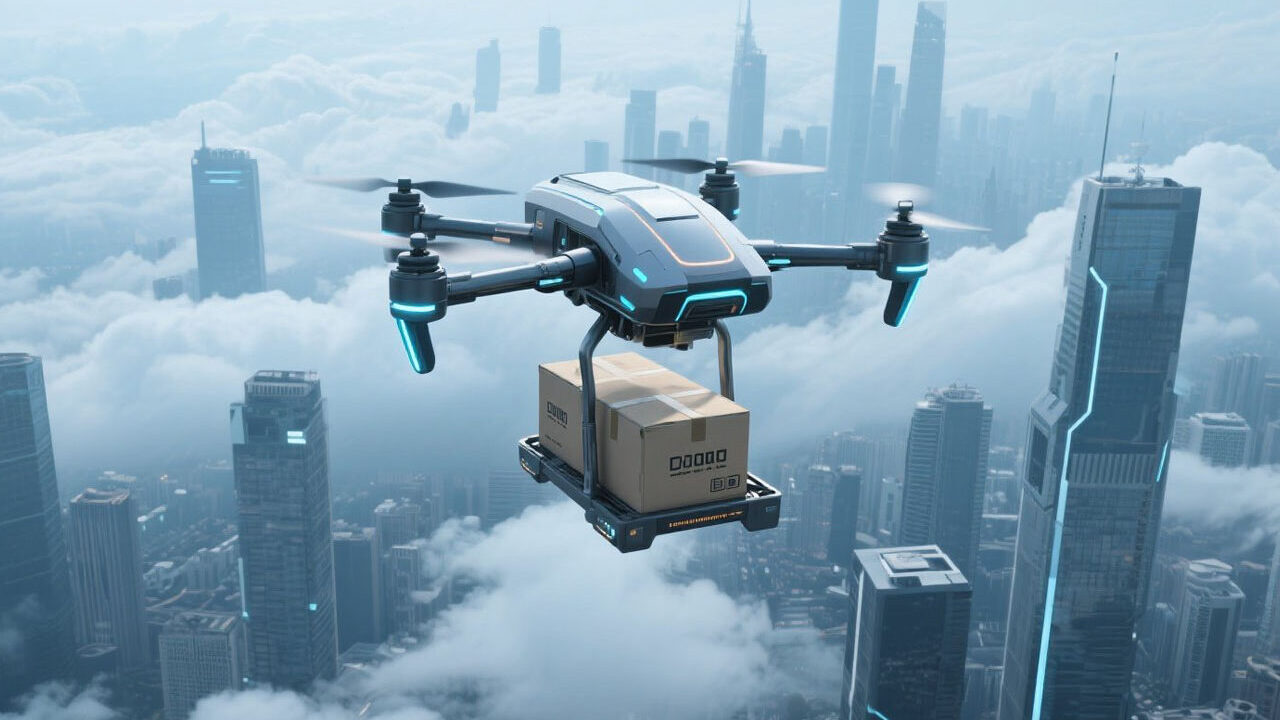
Guide to Electric Vertical Take-off and Landing (eVTOL) Aircraft
What are electric vertical take-off and landing (eVTOL) aircraft? Electric vertical take-off and landing (eVTOL) aircraft take off vertically like a helicopter. The key difference is that they are powered by electric motors instead of conventional combustion…
About
This project started out of curiosity and has grown into a space for sharing insights, learning across disciplines, and exploring real-world innovation beyond the classroom